
Cassida Support Center
How Can We Help You?
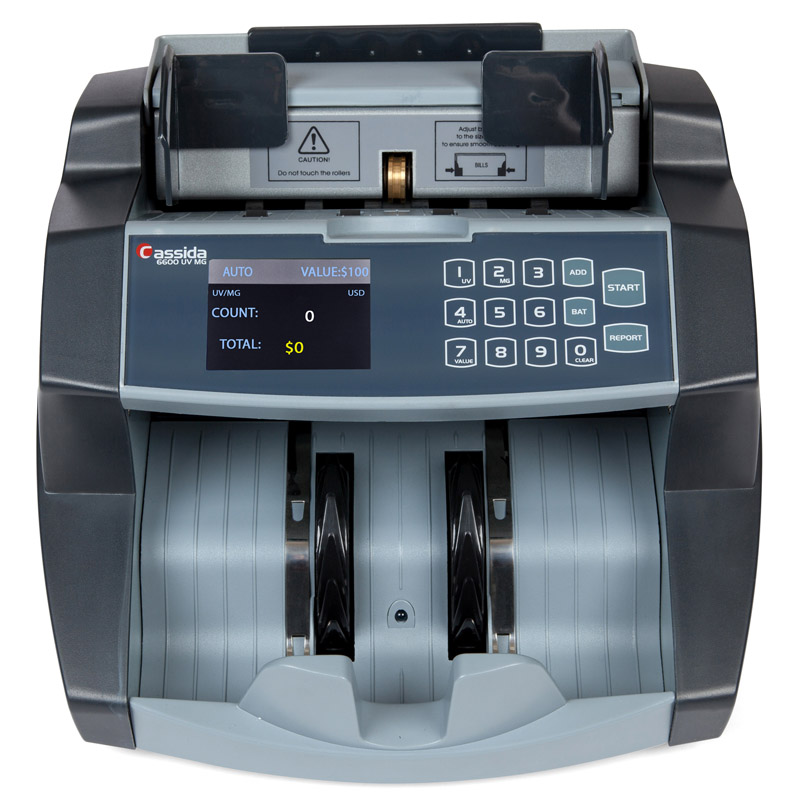
6600 Series
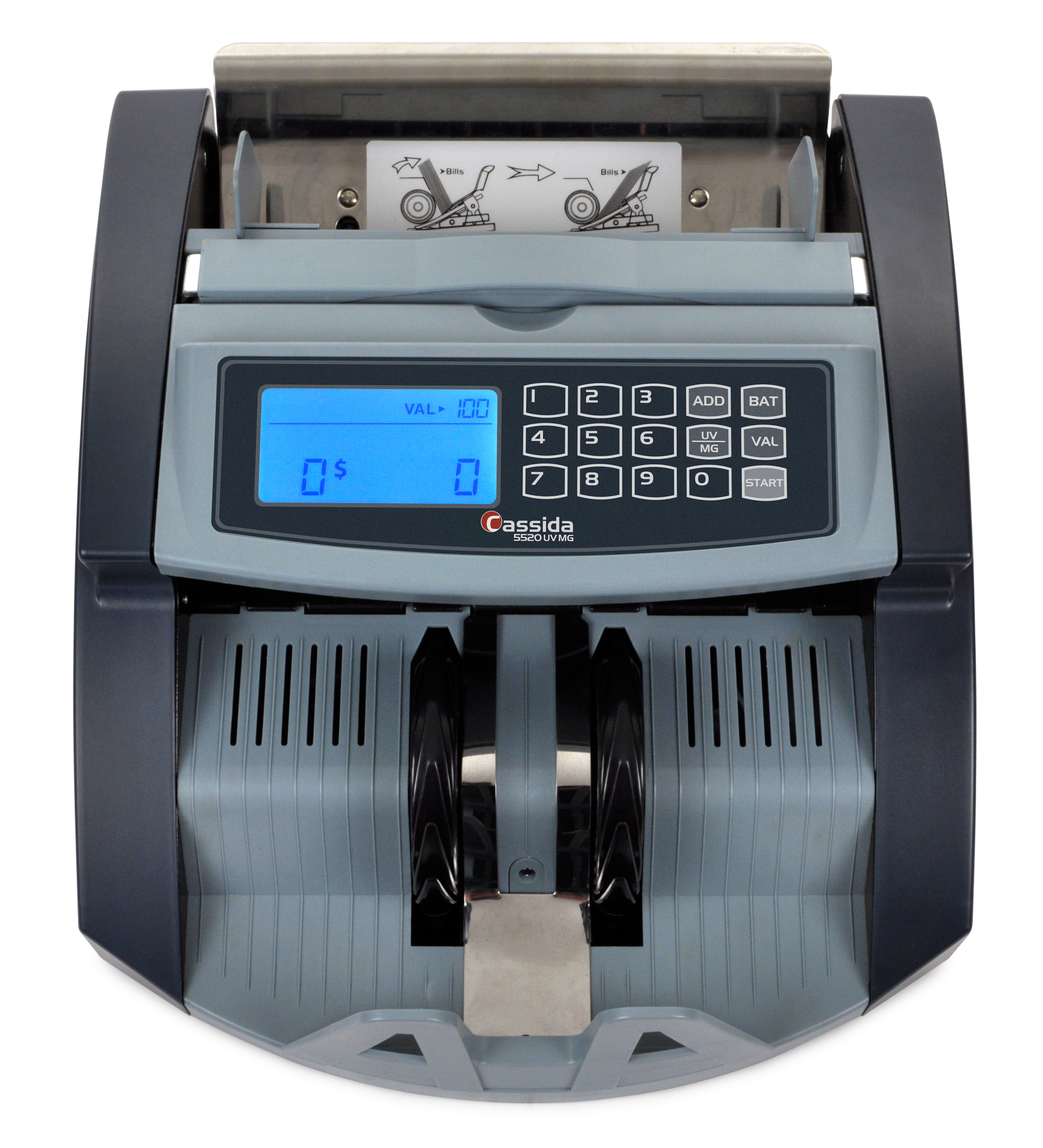
5520 Series
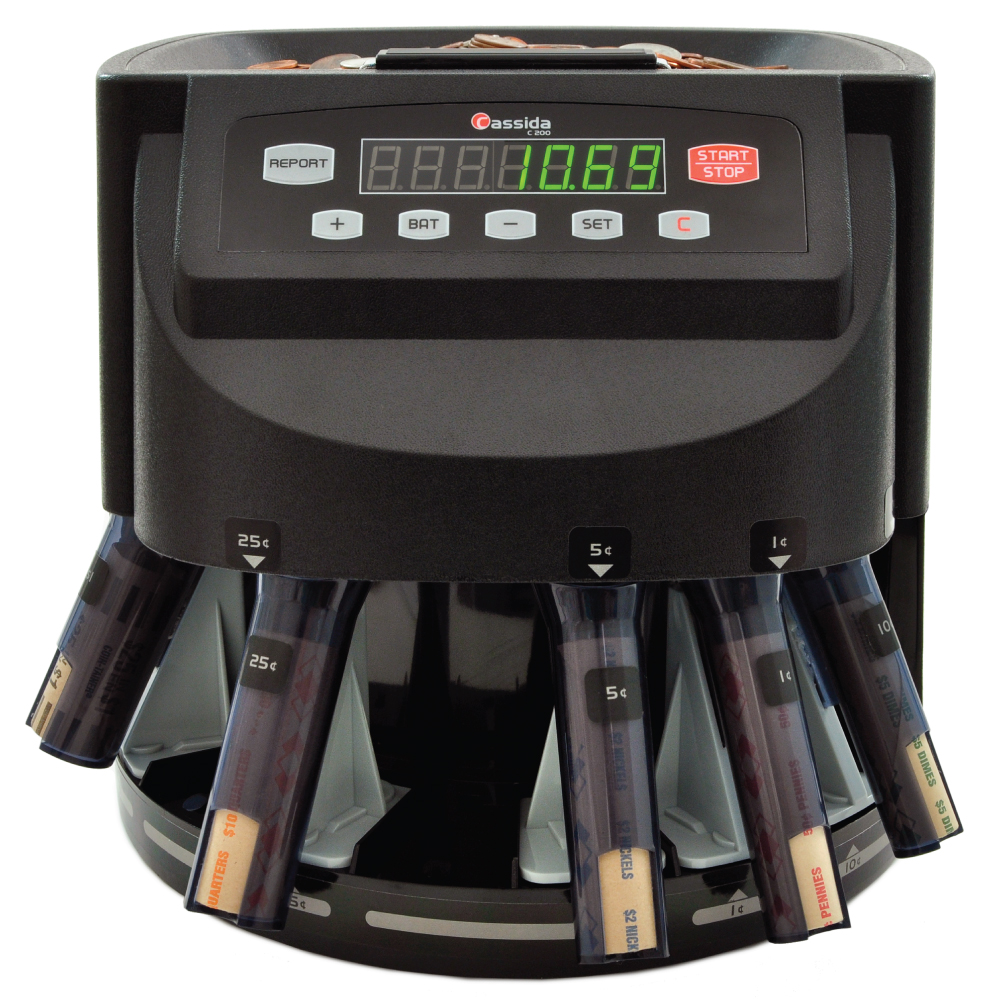
C200
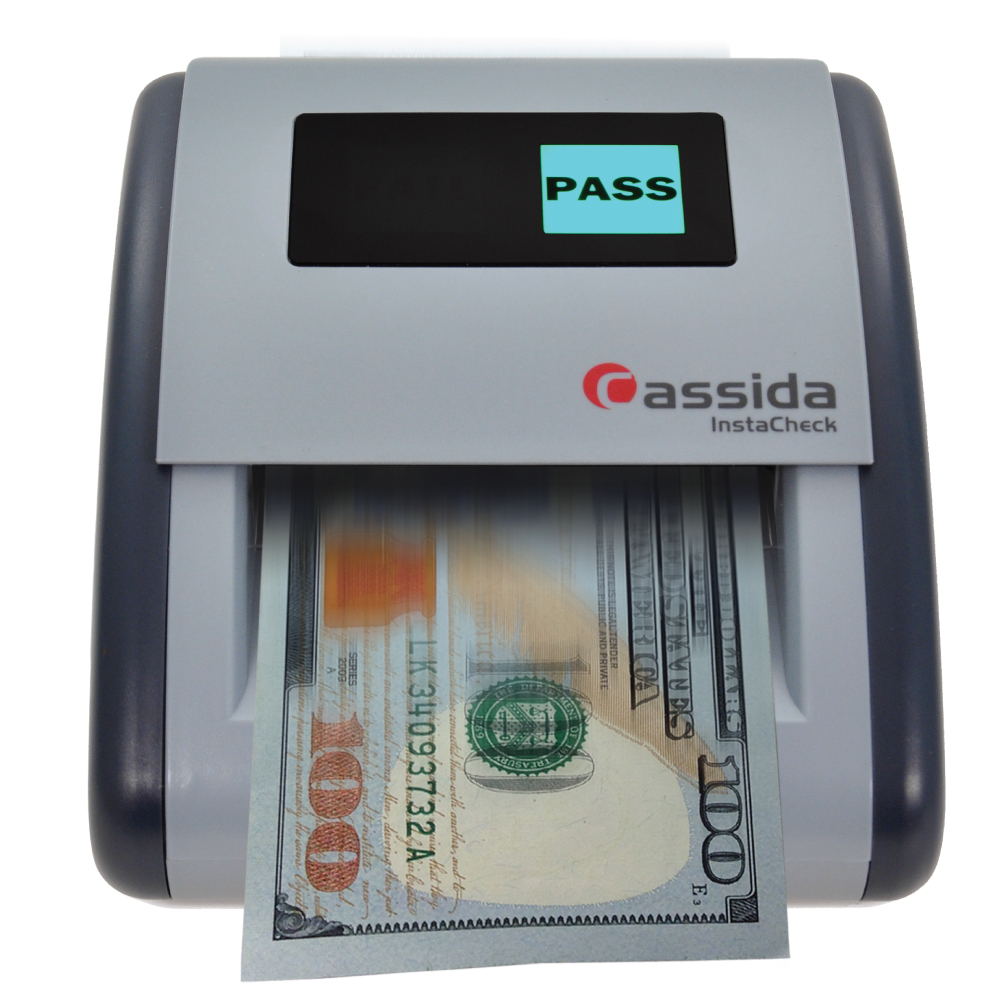
InstaCheck

KCS-2000

KCD-2000

Rook

Knight

KCD-1000

Ace

Cash Box

Drop Safe
Popular Topics
You can find Cassida products at any nearby certified reseller. You can also find Cassida products on Amazon.com.
There are 3 main counterfeit detection techniques used in the majority of discriminators and detectors:
- MG – Magnetic Feature Detection – US currency uses specific magnetic ink at exact locations to provide a unique magnetic signature on each denomination note. By scanning each bill for the presence and location of these features, the Signature is capable of detection the minute magnetic signals present on these bills and will flag any notes that do not have these features present, in the correct locations. Certain counterfeit notes do not have the same features and will be rejected by the Signature as ‘SUSPECT’
- UV – Ultraviolet Feature Detection – Certain features are hidden to the naked eye on all US currency. In order to detect these features, the Signature has special ultraviolet emitters and sensors capable of detecting the exact ultraviolet anti-counterfeit features built into each denomination note. These are referenced against known-genuine currency and used to flag any notes that do not display the correct UV features on the suspect notes.
- IR – Infrared Feature Detection – Similar to UV, US currency contains hidden infrared features that can only be detected by infrared illumination and detection. The Signature scans each bill for the presence and accuracy of these features and fails any bills not meeting these criteria as ‘SUSPECT’.
- For customer support, please visit Cassidaca.com/contact and create a ticket, or call 1-888-800-0303
- For technical support, please visit Cassidaca.com/support-center , there we have compiled a list of frequently asked questions that may help you resolve your issue faster (If you need further assistance see step #1).
All units may have varying clean times, we at Cassida recommend cleaning your unit at least once a week. For heavy use locations and operations, the user may clean the unit daily to avoid heavy buildup that may cause improper operation.
Please find the cleaning procedure for your unit by selecting your product from the list above. If you are unable to locate your product from the list, please go to Cassidaca.com/contact and send us a message so we can further assist you.
The feed gap is the actual height of the bill feed path, and should be tuned to just about the thickness of a single bill. If the feed gap is too wide, the user may experience a high amount of DOUBLE and CHAIN errors which are caused by more than one bill entering the scanning path at one time. If the feed gap is too tight, the unit may not be able to pass bills into the scanning path, or catch on bills and tear them.
For feed gap adjustment procedure for your unit, please find your machine above and find the question regarding feed gap, If you are unable to find your machine from the list above please go to Cassidaca.com/contact and send us a message.
There are a few reasons that a detector may flag genuine currency as suspect. If bills are worn, bent, torn, or crumpled, the anti-counterfeit features needed to verify a bill as genuine may be compromised. For example, the magnetic ink on a note may wear over time or heavy use, reducing the magnetic response to below detection thresholds. If the unit cannot verify the correct features expected on a note, the unit will flag that currency as ‘SUSPECT’.
Another possible reason is that the detection sensors may be incorrectly calibrated, lost reference, or be under operating conditions that cause false positives. In order to reduce these error types, it is advised to operate the unit out of direct sunlight and reduce interference that may cause sensor errors. If this occurs frequently under normal operation, please contact Cassida support for troubleshooting or service.